
CUHK reveals health risks of PMOS on offspring Daughters face reproductive issues, sons face much higher metabolic risks
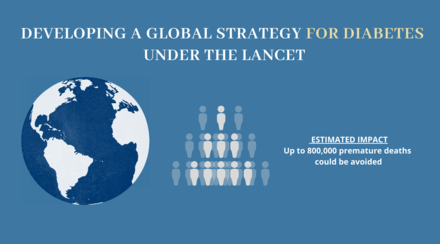
Polycystic Ovary Syndrome (PCOS) has long been regarded as a gynaecological condition. However, significant advances in the international medical community’s understanding of the disorder have emerged in recent years. In May, 56 leading academic, clinical and patient organisations worldwide jointly announced in The Lancet a consensus to rename PCOS as Polyendocrine Metabolic Ovarian Syndrome (PMOS). The new name more accurately reflects the condition’s pathological features involving endocrine and metabolic dysfunction. International guidelines currently implemented in 195 countries are expected to be updated with the new terminology by 2028.
The renaming reflects decades of continued global research into the condition's underlying pathological mechanism. For years, The Chinese University of Hong Kong (CUHK)’s Faculty of Medicine (CU Medicine) has studied the condition from an integrated gynaecological, metabolic and endocrine perspective, while actively contributing to international discussions. Its latest research, published in the international journal, Fertility and Sterility, reveals that the condition’s impacts can cascade to the next generation, elevating risks for cardiometabolic disorders, reproductive health issues, and diabetes in offspring in their young adulthood. The study also provided important data from the Chinese population to support the international renaming initiative.

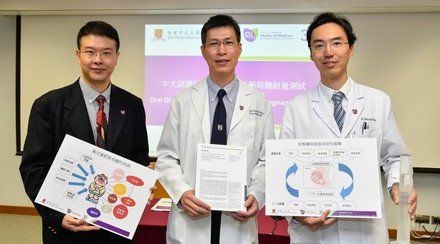
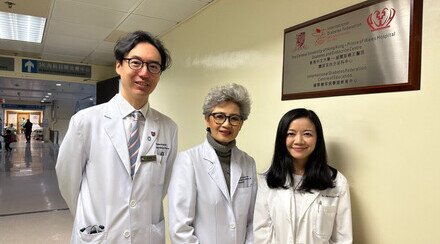
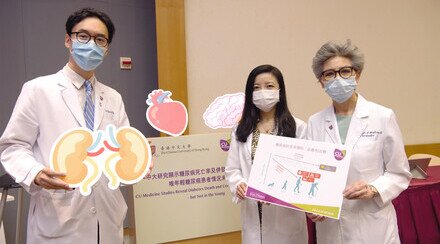
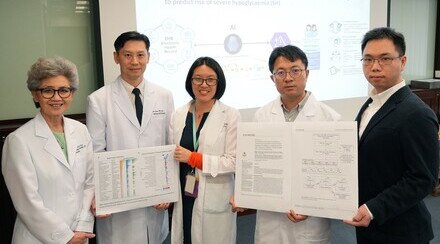
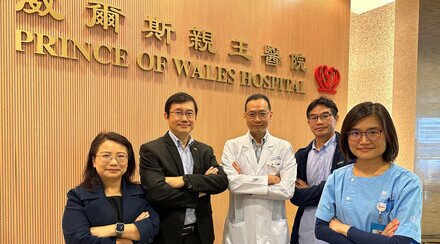
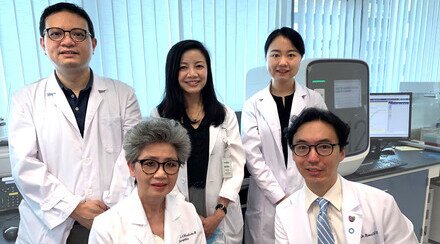
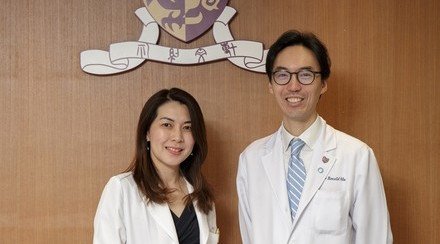
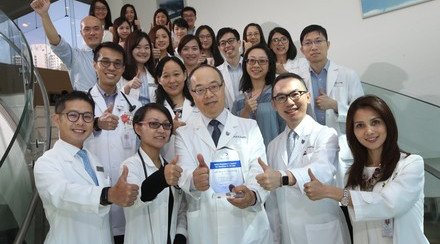
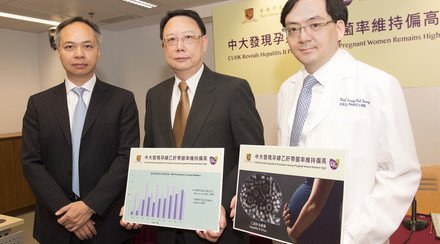
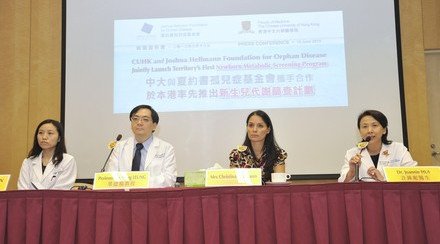
CU Medicine reveals in its latest research that the impacts of PMOS can cascade across generations, elevating the risks for cardiometabolic disorders, reproductive health issues, and diabetes in offspring in their young adulthood. (From right) Professor Ronald Ma Ching-wan, SH Ho Professor of Diabetes and Head of Division (Academic Affairs) of Division of Endocrinology and Diabetes, Department of Medicine and Therapeutics; Dr Noel Ng Yat-hey, principal investigator of the study and Postdoctoral Fellow from Department of Medicine and Therapeutics; Dr Jacqueline Chung Pui-wah, Chairperson and Associate Professor (Clinical) of Department of Obstetrics and Gynaecology.
Addressing research gap with comprehensive phenotypic analysis of Chinese PMOS offspring
PMOS is one of the most common endocrine and reproductive system disorders, affecting approximately one in eight women of reproductive age worldwide. Its main features include ovulatory dysfunction, polycystic ovaries, and elevated androgen levels. It is also often associated with metabolic problems such as obesity, insulin resistance, type 2 diabetes and metabolic syndrome.
PMOS was previously regarded primarily as a gynaecological condition. However, recent research and international clinical guidelines indicate that its core pathological mechanisms involve multiple hormonal imbalances, affecting various aspects of health, including metabolic, reproductive, psychological and dermatological wellbeing. In recent years, growing research attention has been directed towards its potential impact on the next generation’s health, particularly whether manifestations differ between sons and daughters. However, findings from existing studies have been inconsistent.
Dr Jacqueline Chung Pui-wah, Chairperson and Associate Professor (Clinical) of the Department of Obstetrics and Gynaecology, CU Medicine, said, “The cause of PMOS is highly complicated. The causal relationships between the reproductive dysfunction and metabolic disorders remain controversial. Conducting prospective studies on the offspring of PMOS patients might clarify the temporal relationship between metabolic and reproductive changes in these patients.”

Professor Ma states that for years, CU Medicine has advanced research and clinical management of PMOS as a metabolic disease through interdisciplinary collaboration, while actively contributing to updated international guidelines. He highlights that the findings of this study are of significant importance for both clinical practice and public health.

Dr Chung remarks that prospective studies of offspring born to PMOS patients might clarify the temporal relationship between metabolic and reproductive changes in PMOS.
Both sons and daughters affected, but reproductive and cardiometabolic risks differ
Between 2020 and 2024, the interdisciplinary research team from CU Medicine conducted a prospective study targeting Chinese PMOS patients and their offspring. The study recruited 71 women with PMOS and their 86 children, including 42 sons and 44 daughters, as well as 506 women without PMOS and their 242 sons and 264 daughters as controls in Hong Kong. All offspring participants were aged between 15 and 25 years. Researchers performed detailed assessments of physical measurements, blood pressure, blood glucose, insulin, lipid profiles and reproductive hormone levels, and analysed health characteristics according to the sex of the offspring. The key findings are as follows:
Prevalence of | PMOS-daughters | Control-daughters | PMOS-sons | Control-sons |
|---|---|---|---|---|
PMOS | 11.1% | 0 | / | / |
Menstrual Irregularity | 58.3% | 16.2% | / | / |
Elevated Androgen | 50% | 25.5% | / | / |
Hypertension | 2.27% | 2.28% | 14.29% | 3.72% |
Metabolic Syndrome | 2.33% | 1.89% | 14.3% | 3.7% |
The study found abnormalities across multiple health indicators among the offspring of PMOS patients. Overall, the offspring of PMOS patients had a higher prevalence of central obesity, with their average waist circumference being 3.67 centimetres greater than that of the control group. The PMOS offspring also exhibited early cardiometabolic and reproductive alterations in young adulthood (aged 15 to 25).
Further analysis by sex suggested that daughters of PMOS patients predominantly exhibited reproductive abnormalities. After excluding participants receiving hormonal treatment, the research team identified four cases of PMOS among 36 daughters of PMOS patients, whereas no cases were found among the 259 daughters in the control group. The prevalence of menstrual irregularity among daughters of PMOS patients was more than three times that of the control group, while the prevalence of elevated androgen levels was nearly twice as high. These findings suggest that daughters of PMOS patients exhibited early features consistent with PMOS in young adulthood, indicating a higher risk of developing PMOS later in life.
Sons of PMOS patients were found more likely to develop hypertension and metabolic syndrome in young adulthood, with the prevalence of both conditions being nearly four times that of the control group. These findings suggest that male offspring may face greater cardiometabolic health challenges.

Dr Ng remarks that the study revealed the impact of PMOS on the health of offspring and the sex-specific differences in its manifestation, with daughters predominantly exhibiting reproductive and endocrine abnormalities whereas sons exposing to higher cardiometabolic risks.

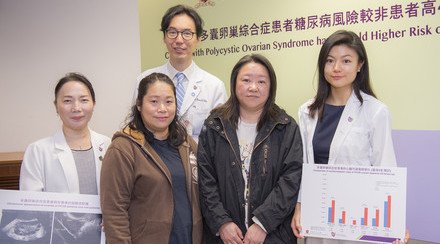
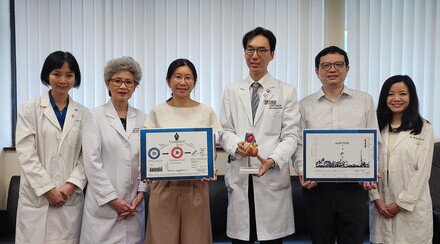
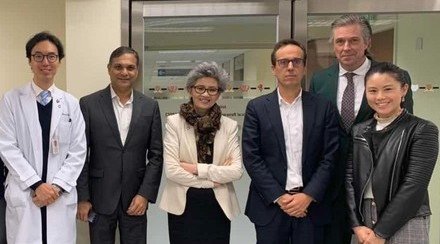
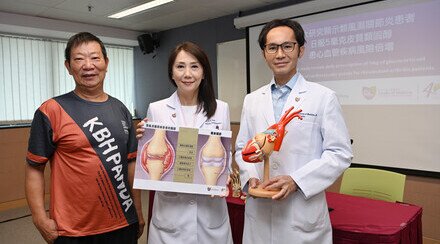
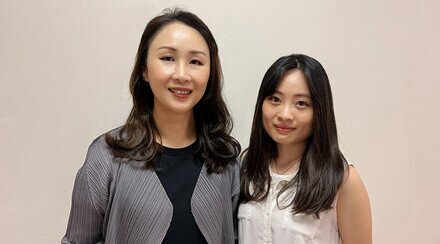
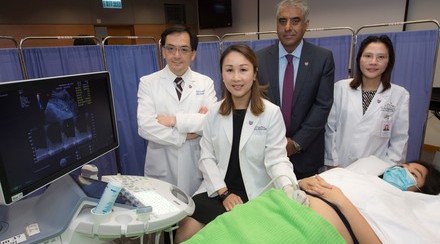
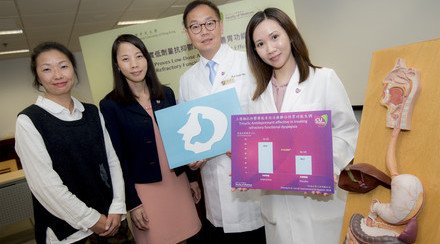
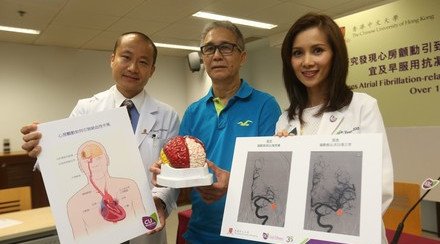
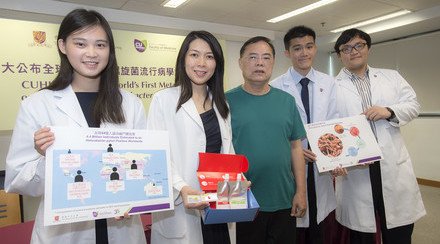
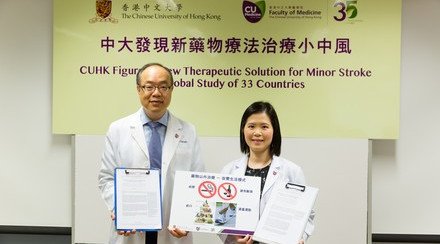
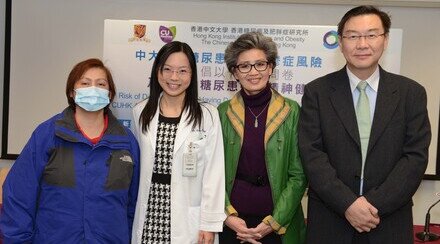
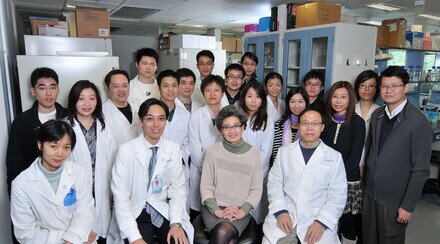
Diagnosed with PMOS, Ms Wong (centre) developed diabetes and experienced a transient ischaemic attack, commonly known as a "minor-stroke". Her daughter was also found to have obesity, fatty liver and mild menstrual irregularities. Under medical guidance, Ms Wong underwent treatment and, together with her daughter, adopted a controlled diet and increased physical activity, helping them regain and maintain their health through lifestyle modification and weight management.
Shifting the clinical paradigm: from women’s health to family prevention
The study results also showed that in early adulthood, the overall blood glucose levels and after-meal glucose regulation in the PMOS offspring were comparable to those of the control group. However, several indicators of their fasting insulin secretion were lower. Dr Noel Ng Yat-hey, principal investigator of the study and Postdoctoral Fellow from the Department of Medicine and Therapeutics at CU Medicine, explained, “Our study reveals the impact of PMOS on the health of offspring and the sex-specific differences in its manifestation. Daughters mainly present with reproductive and endocrine abnormalities, whereas sons face higher cardiometabolic risks in their early adulthood. Although their blood glucose levels and insulin sensitivity currently appear normal, a decline in insulin sensitivity due to factors such as obesity may make it more difficult for offspring of PMOS patients to compensate by increasing insulin secretion. Over time, this may increase their risk of developing diabetes and cardiovascular disease. ”
Professor Ronald Ma Ching-wan, SH Ho Professor of Diabetes and Head of Division (Academic Affairs) of the Division of Endocrinology and Diabetes, Department of Medicine and Therapeutics, CU Medicine, said, “These findings have important clinical and public health implications, confirming that PMOS affects not only the health of women with the condition, but also has multigenerational impacts. We recommend that young people with a family history of PMOS be targeted for early diagnosis and prevention, with early monitoring of both cardiometabolic and reproductive health warranted. For years, CU Medicine has advanced research and clinical management of PMOS as a metabolic disease through interdisciplinary collaboration, while actively contributing to updated international guidelines. As the global medical community moves forward with renaming the condition, we will continue to deepen our research into its pathological mechanisms and clinical strategies, providing further scientific evidence to protect the health of patients and future generations.”